Most small manufacturers now have at least one conversation about CMMC, which is about how you protect Federal Contract Information and Controlled Unclassified Information on your own systems. A related question is easy to skip: how much do you know about the software, cloud services and other information technology you buy? In July 2026, NIST published a short guide aimed at that second question.
If this is on your list, see my manufacturing procurement and supply chain page for how I can help. I am not a CMMC assessor.
This post is general education, not legal, customs, tax, financial or compliance advice. Confirm details with a licensed professional and the official sources linked below.
How this guide fits with NIST SP 800-161
NIST Special Publication 800-161 Revision 1, issued in May 2022 with updates as of November 1, 2024, describes cybersecurity supply chain risk management (C-SCRM) as a systematic process for managing cybersecurity risks throughout the supply chain. The risks it names include products or services that may contain malicious functionality, are counterfeit, or are vulnerable because of poor manufacturing and development practices. The publication is guidance, not a certification program, and NIST says it should be tailored to an organization’s size, resources and risk.
On July 8, 2026, NIST published Special Publication 1326, the Cybersecurity Supply Chain Risk Management Due Diligence Assessment Quick-Start Guide. The guide is a supplement to SP 800-161 Revision 1, not a replacement for it. NIST describes due diligence as the investigative process of researching and verifying available, pertinent information about a supplier or product so that informed decisions can be made on new acquisitions or existing systems. It also describes due diligence as the minimum amount of reasonable research an acquirer should conduct, prioritized by criticality, before a more complete supplier review.
NIST states that due-diligence assessments can be applied to any type of supplier, but that this Quick-Start Guide is scoped to information and communications technology (ICT) suppliers. For a machine shop, that usually means ERP or quality software, shop-floor systems, cloud file sharing, managed IT providers, and any vendor who can reach those systems remotely.
Basic versus enhanced due diligence
NIST splits the work into two levels. Basic due diligence is desktop research that uses publicly available information. Enhanced due diligence uses commercial data sets, proprietary sources or supply-chain illumination tools. The guide says organizations should choose a level based on available resources and the criticality of the acquisition, and that findings should be validated against more than one source when possible. A supplier questionnaire can still be useful; it is not a substitute for this research.
The five research categories
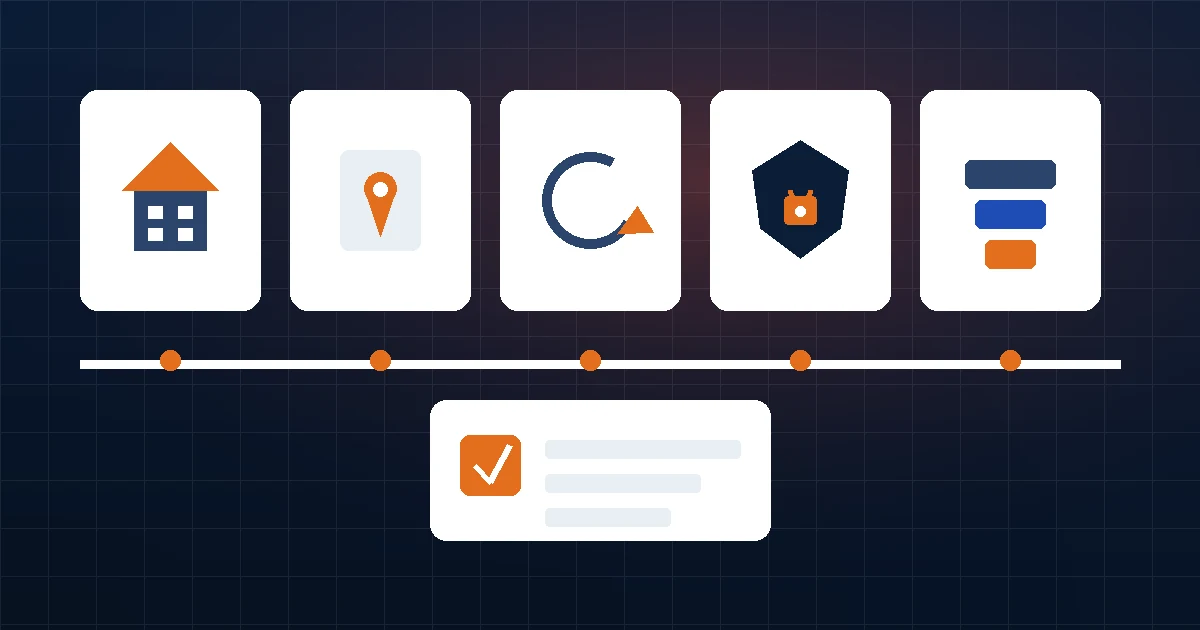
SP 1326 organizes a due-diligence assessment into five components:
- Foreign Ownership, Control, or Influence (FOCI). Ownership, key leadership, and the foreign laws or policies that may bear on the supplier.
- Provenance. Where the supplier operates and where the product, including subcomponents, is developed or produced.
- Resilience. Whether the supplier and the product can be expected to continue to function through disruption, and what historical information is actually relevant.
- Foundational cyber practices. The supplier’s security posture and, separately, what is known about the product, including software bills of materials where they exist.
- Supply chain tiers. Visibility into sub-tier suppliers, not only the company named on the purchase order.
You do not need a federal-scale program to use this list. Inventory the ICT suppliers that can affect production or controlled data, rank them by how hard they would be to replace, and complete basic desktop research on the top group before you renew a contract or add a vendor. Record the sources you used.
How this differs from CMMC and from an RFQ scorecard
CMMC, including the Phase 2 suspension described in CMMC Basics for Small Manufacturers, is about safeguarding information on systems you operate. C-SCRM is about the risk that arrives with products and services you acquire. You can be diligent about passwords and still have a poorly understood remote-support vendor. The two efforts should talk to each other, but they are not the same checklist.
When you buy a new system, add a short C-SCRM review to the process in How to Run an RFQ and Score Suppliers. If the tool uses artificial intelligence on procurement or quality data, also see AI in Procurement: A Risk Checklist Using the NIST AI RMF. Export-controlled drawings stored in a new cloud tool raise a separate question, covered in ITAR Basics for Small Manufacturers.
Frequently asked questions
Is NIST SP 1326 a required certification?
No. It is voluntary guidance that supplements SP 800-161 Revision 1. A contract may still require you to manage supplier cyber risk in a specific way. Read the contract and any flowed-down clauses, not only the NIST publications.
Does the guide apply only to software vendors?
NIST says due-diligence assessments can be applied to any type of supplier, but this particular Quick-Start Guide is scoped to ICT suppliers. Start there, where the publication is focused.
Additional sources
- NIST news release: C-SCRM Due Diligence Assessment Quick-Start Guide (July 8, 2026)
- NIST SP 1326 (DOI)
- NIST SP 1326 PDF
- NIST SP 800-161 Revision 1, Update 1
Peter Klausz is an MBA (University of Rochester, Simon Business School) and the founder of Statadventure, LLC, which has built supply chain software in Python and SQL since 2018. He previously managed F100 engine supply chain work at Pratt & Whitney. Based in Burlington, Massachusetts, he is open to contracting and new roles. Get a Quote.